Featured Articles

Latest Articles
Article
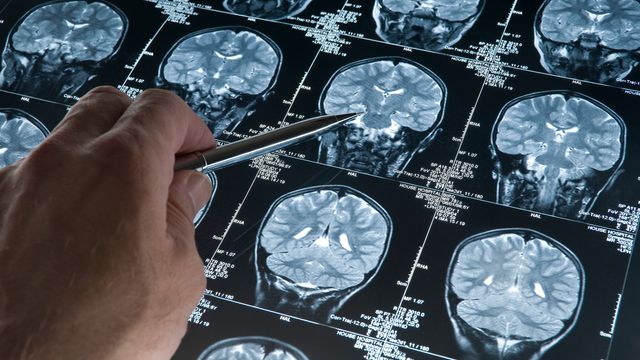
How a Healthy Glymphatic System Could Reduce Alzheimer’s Disease Risk
This article explores how the glymphatic system clears brain waste, its role in Alzheimer’s disease and how lifestyle factors like sleep, diet and vascular health can help maintain its function.
Article
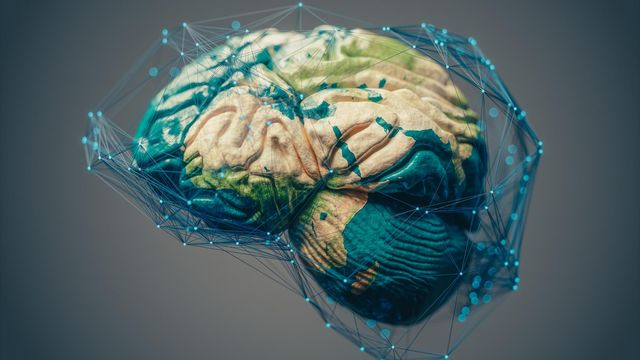
Dementia Research Is “On the Cusp of a Major Breakthrough”
We spoke with Dr. Niranjan Bose, managing director, Health & Life Sciences Strategy, Gates Ventures, about how proteomics-based biomarkers and international partnerships are changing the future of neurodegenerative disease research.
Article
What Blood Biomarkers Can – and Can’t – Tell Us About Alzheimer’s
Researchers are investigating blood-based biomarkers like pTau217 for Alzheimer’s detection, offering a less invasive alternative to traditional methods. However, challenges remain due to the interference of proteins from other organs.
Article
EEG Biomarkers: The Future of Monitoring Neurological Health?
Learn about the potential of EEG biomarkers in the early detection and monitoring of neurological diseases such as Alzheimer's with Dr. Javier Escudero, reader in biomedical signal processing at the University of Edinburgh.

Article
Microdosing Psychedelics: Hype, Hope or Science?
Microdosing psychedelics like LSD and psilocybin is gaining popularity, but science remains inconclusive. Small studies report modest benefits in mood, focus and sleep, though placebo effects loom large.

Article
The Promise and Perils of Weight Loss Drugs
This article examines the rise of GLP-1 weight loss drugs, highlighting their effectiveness in obesity and diabetes management while addressing concerns over side effects, mental health risks, high costs and long-term sustainability.

Article
How Digital Biomarkers Enable Patient-Centric Clinical Trials
Explore how digital biomarkers are transforming clinical trials with real-time data, continuous monitoring and AI-driven patient insights.

Article
Neuroethics and the Future of the Animal Rights Movement
This article explores some of the reasons animal models are used in neuroscience and how this could change in the future.

Article
Modeling Tauopathy: How New Mouse Models Could Help Map Alzheimer’s Disease
While amyloid-beta has been a central focus in drug development, increasing evidence points to tau pathology as a more accurate predictor of disease progression. This is where the work of Dr. Naoto Watamura could be vital.

Article
SMART Templates Break CRISPR’s PAM Barrier With 10× Editing Reach
Scientists have developed SMART (silently mutate and repair template), a strategy that dramatically expands the editable range of CRISPR targets by redesigning the repair template without changing the enzyme.
Advertisement