Trending News

News
News
Self-Assembling Nanoparticles Offer A New Route for Vaccine Delivery
Researchers have developed polymer-based nanoparticles that self-assemble with a temperature shift, offering a simple method for delivering protein-based medicines and vaccines.
News
5,000-Meter Altitude Air Reverses Parkinson’s Symptoms
Researchers from the Broad Institute and Mass General Brigham found that low-oxygen environments can protect neurons and reverse Parkinson’s symptoms in mice. The approach interrupts a destructive cycle caused by excess oxygen in the brain.

News
Stem Cell Therapy Offers Hope for Repairing Brain Damage in Newborns
In a safety study, ten newborns received an intranasal stem cell therapy for brain damage shortly after birth. Most of the children showed remarkably positive development: they started walking earlier on average than untreated children.
News
Rheumatoid Arthritis Flare Relief With Nanoparticles
Researchers have developed nanoparticles that could slow disease progression and reduce flare severity, based on results from tests with human blood and mice models with RA-like disease.

News
Chemical Created by Brain Cells Could Unlock Next-Generation Weight Loss Drugs
Researchers found that brain support cells produce a chemical that suppresses appetite, and they created a modified version of this molecule that helped lab animals lose weight without causing illness.
News
Mitochondrial Dysfunction Linked to Alzheimer's Development
Changes in how brain cells generate energy may drive the development of Alzheimer's disease and influence how patients respond to therapy.
News
Flower-Shaped Nanoparticles Restore Mitochondrial Health
Researchers have discovered flower-shaped nanoparticles that restore mitochondrial health, offering hope for new treatments targeting the root causes of Parkinson’s and Alzheimer’s.
News
Fat Cells Use Internal Sensors To Regulate Fat Breakdown
University of Birmingham researchers have uncovered a new fat regulation mechanism involving internal FFA4 receptors near lipid droplets in fat cells. These receptors act as built-in sensors, triggering feedback to slow fat breakdown.
News
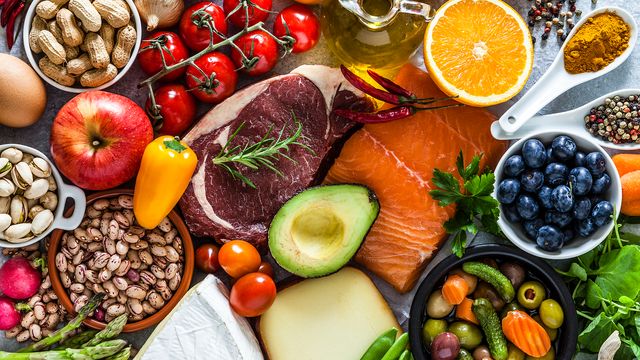
Minimally Processed Foods Lead to Double the Weight Loss
A UCL-led clinical trial found that participants eating minimally processed foods lost twice as much weight as those on ultra-processed diets, despite both diets being nutritionally matched.

News
Stem Cells From ALS Patients Reveal a Potential New Target for Treatment
A study led by scientists at Case Western Reserve University used stem cells created from ALS patients to target a specific gene as a kind of shut-off valve for what stresses nerve cells – and it worked.
Advertisement